Thicket Clearing in Salt Lake City, UT
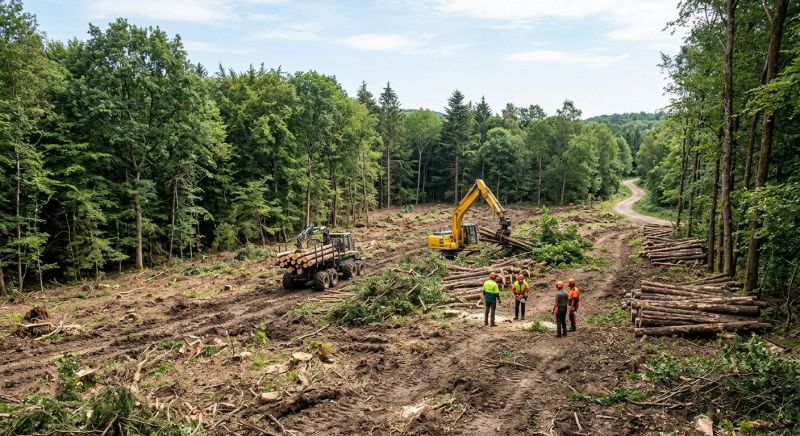
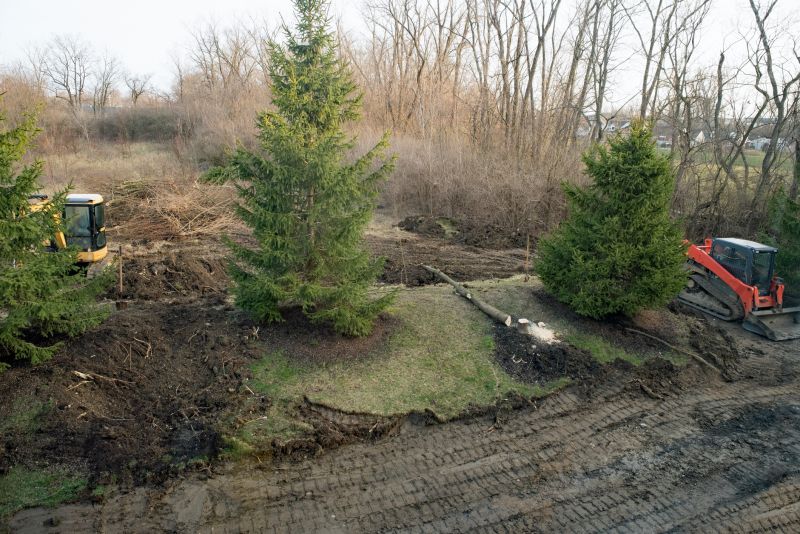
Thicket clearing services involve the removal of dense brush, small trees, and overgrown vegetation from residential properties. This type of work is often requested for projects such as preparing land for new construction, creating open spaces for recreational use, or improving the overall appearance of a yard. Property owners typically seek this service to enhance accessibility, reduce fire hazards, or establish a clear area for landscaping or gardening efforts.
Before requesting thicket clearing, property owners should consider the extent of overgrowth and the types of vegetation present. It’s helpful to clarify whether the work includes removal of roots or just surface vegetation, as well as any restrictions on debris disposal. Understanding the scope of the project and any specific property conditions can ensure the clearing process meets expectations and aligns with future plans for the land.
Many property owners in Salt Lake City, UT look into Thicket Clearing for repairs, replacements, upgrades, and appearance-related improvements.
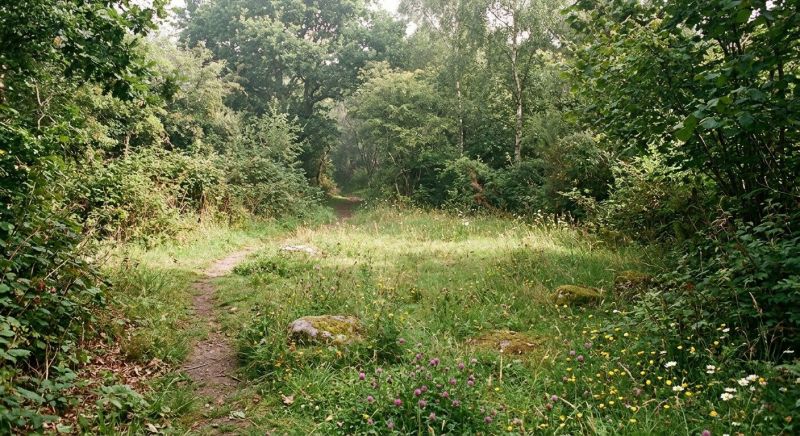
Thicket Clearing For Property Expansion
Removing dense brush and undergrowth to prepare land for development or landscaping projects.
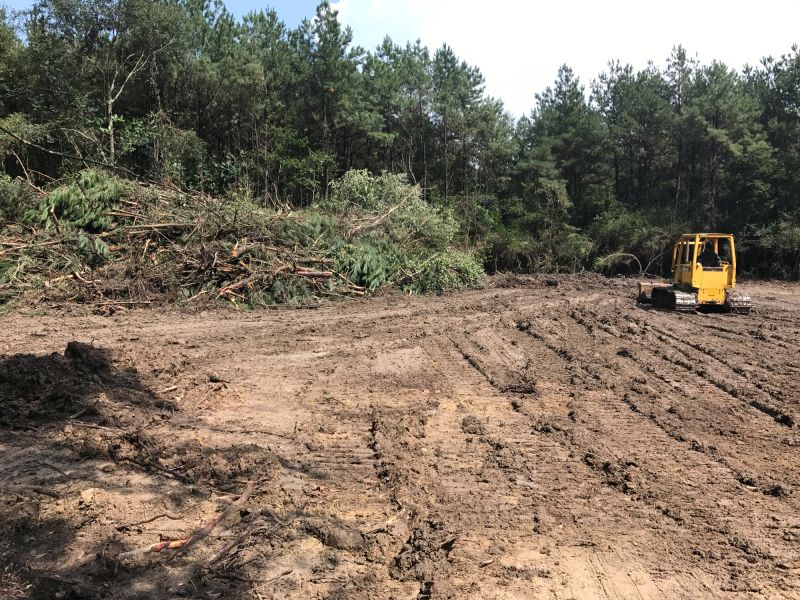
Maintaining Safe And Accessible Outdoor Spaces
Clearing overgrown areas to improve safety and accessibility around homes and commercial properties.
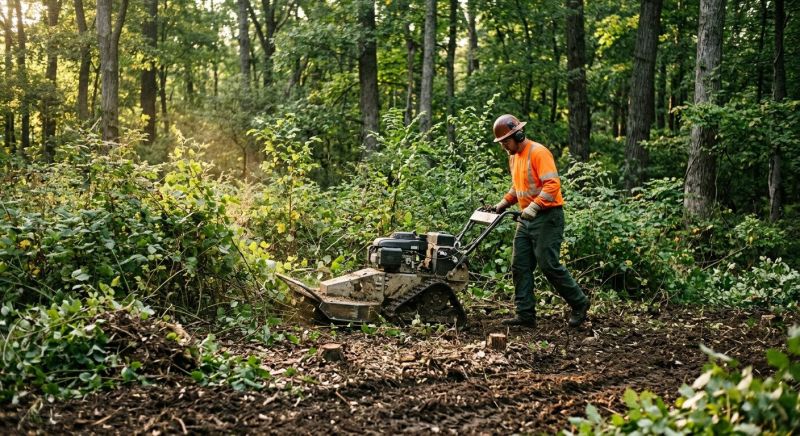
Preparing Land For Agriculture Or Recreation
Clearing thick vegetation to create open areas suitable for farming, gardening, or outdoor activities in salt lake city, ut.
Thicket Clearing in Salt Lake City, UT
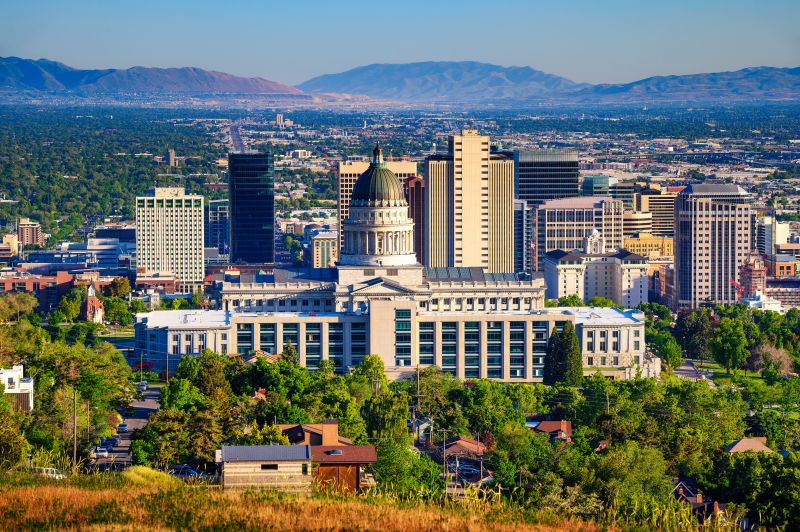
Thicket clearing services involve the removal of dense brush, small trees, and overgrown vegetation from residential properties. This type of work is often requested for projects such as preparing land for new construction, creating open spaces for recreational use, or improving the overall appearance of a yard. Property owners typically seek this service to enhance accessibility, reduce fire hazards, or establish a clear area for landscaping or gardening efforts.
Before requesting thicket clearing, property owners should consider the extent of overgrowth and the types of vegetation present. It’s helpful to clarify whether the work includes removal of roots or just surface vegetation, as well as any restrictions on debris disposal. Understanding the scope of the project and any specific property conditions can ensure the clearing process meets expectations and aligns with future plans for the land.
Many property owners in Salt Lake City, UT look into Thicket Clearing for repairs, replacements, upgrades, and appearance-related improvements.
Common Thicket Clearing Jobs
Thicket clearing involves removing dense brush and shrubs to improve property visibility and access.
Overgrown lot clearing helps restore neglected areas and prepare land for development or landscaping.
Brush removal targets thick, unmanaged vegetation to reduce fire hazards and create open space.
Vegetation management includes thinning and clearing to promote healthier plant growth and safety.
Fence line clearing clears vegetation along property boundaries to improve security and aesthetics.
Underbrush removal clears low-lying plants to enhance safety and facilitate maintenance around structures.
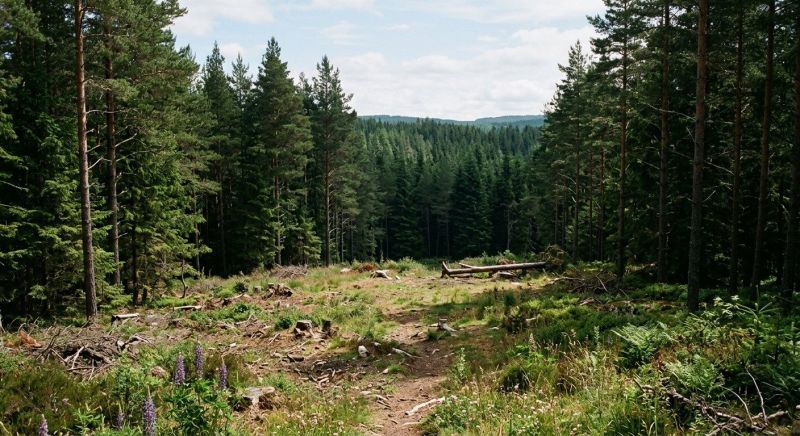
Thicket Clearing Questions
What types of vegetation can be cleared? Thicket clearing typically involves removing dense brush, shrubs, and small trees to open up the landscape for various projects.
Is thicket clearing suitable for property development? Yes, it helps prepare land for construction, landscaping, or recreational use by reducing overgrown vegetation.
What equipment is used for thicket clearing? Heavy-duty machinery like excavators, brush cutters, and mulchers are commonly used to efficiently clear thick vegetation.
Are there any property restrictions for clearing? Property owners should check local regulations regarding vegetation removal, especially if dealing with protected species or land use rules.
Request Thicket Clearing in Salt Lake City, UT
Use the quote form on this page to share the basics of your project and request more information for the type of work you need.